
Oman Data Explorer



Material footprint
Measuring an economy’s resource use through domestic extraction provides insight into local activity but fails to account for the global nature of modern supply chains. To fully understand the environmental pressures associated with consumption, it is necessary to utilise the material footprint. This consumption-based indicator represents the total volume of raw materials—including biomass, fossil fuels, metal ores, and non-metallic minerals—embodied within the entire supply chain to meet the final demand for goods and services.
While traditional production-based accounting focuses on materials extracted within national borders, the material footprint captures the "hidden" resources embedded in imports and excludes those destined for export. This distinction is crucial for identifying a country’s true resource dependency, as it attributes environmental impact to the end user regardless of where the physical extraction or processing occurs. For example, if metal ores are mined in one country and processed in another to create a product consumed in Oman, the total material weight is attributed to Oman’s footprint. This approach offers a comprehensive view of an economy’s consumption profile and its broader impact on global resource equity.
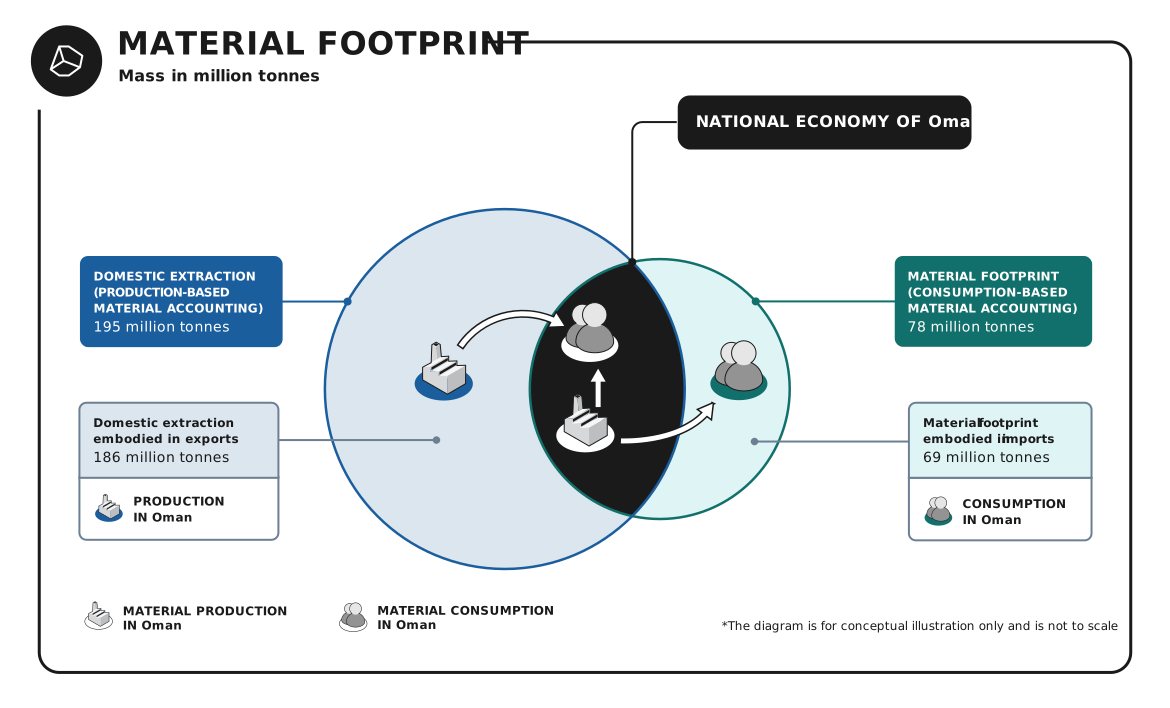
Click on the pie chart to explore more data.
Coming soon
The Circularity Gap Report is an initiative of Circle Economy, an impact organisation dedicated to accelerating the transition to the circular economy.
© 2008 - Present | RSIN 850278983